The runtime engine for physical AI, streaming AI, and real-time instruments
A multimodal platform for scalable,
software-defined, real-time processing
of streaming data at the edge.
One machine. One platform.
Every part of the loop.
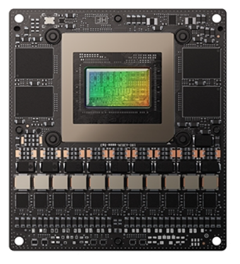
Perception and control belong together. The same Holoscan Sensor Bridge (HSB) interconnect. The same Holoscan SDK (HSDK). The same Jetson Thor. One co-designed system to run it all.
It has to understand.
And it has to act.
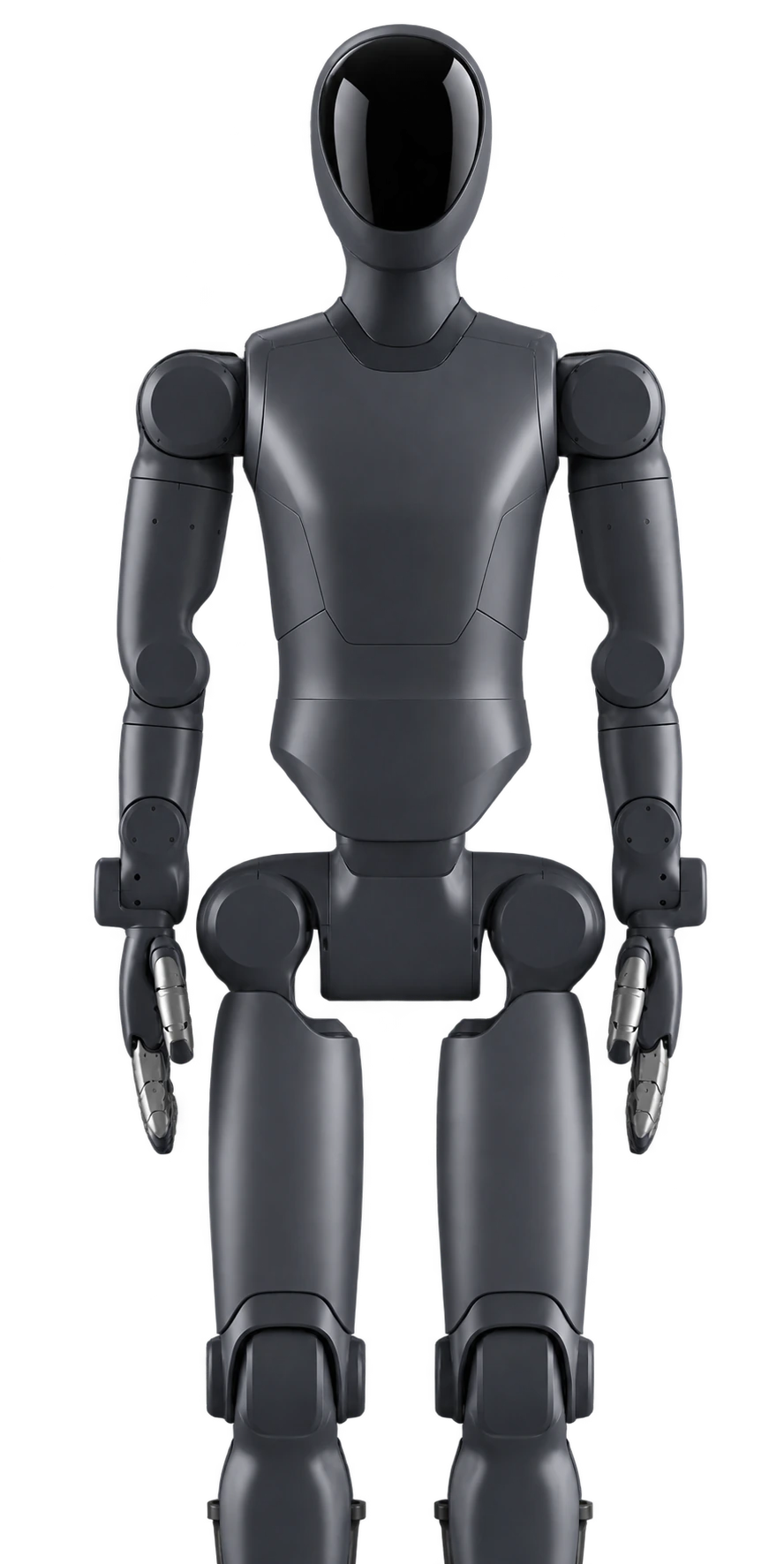
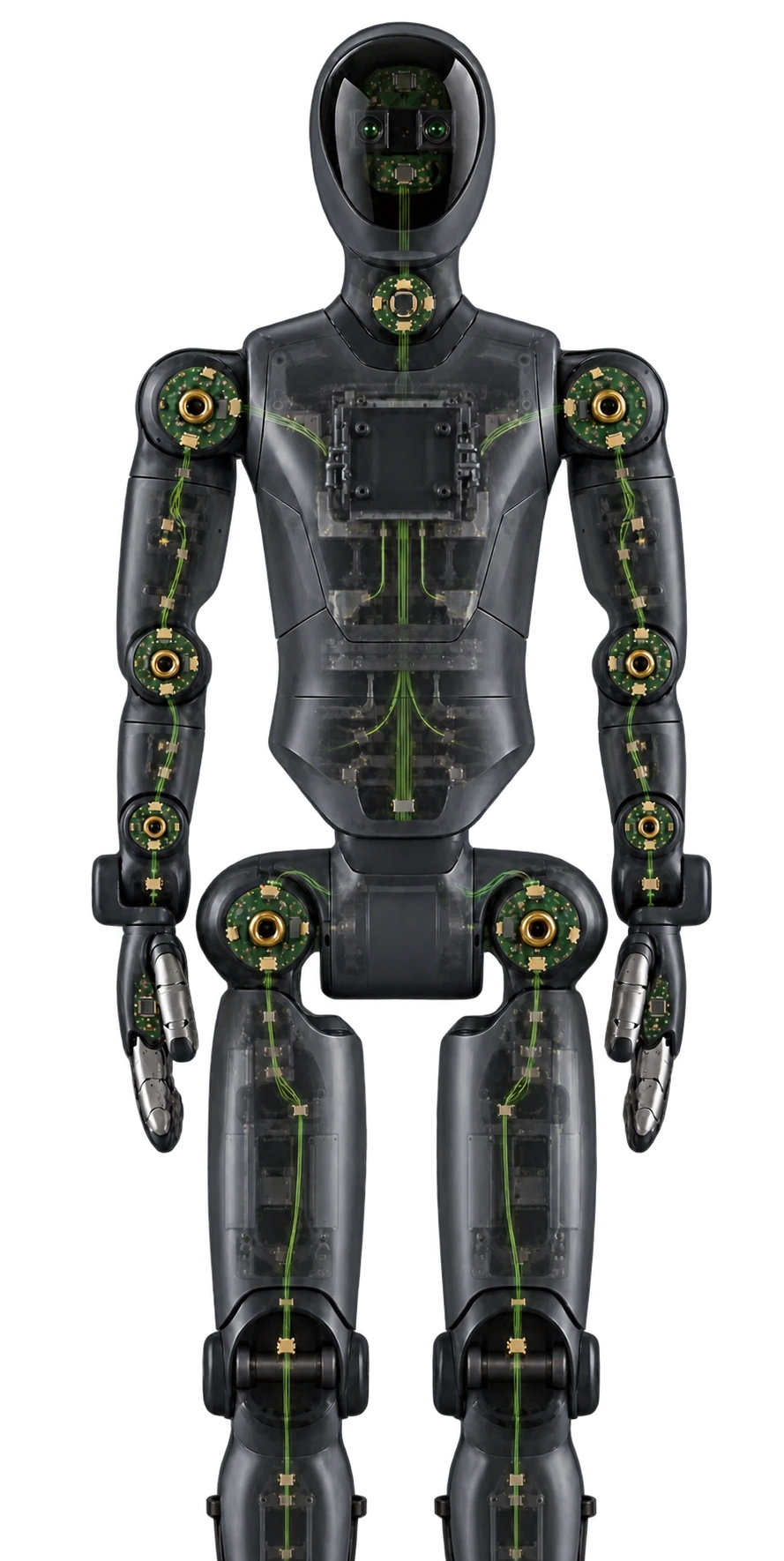
A robot sees a changing world, reasons about what comes next, and turns a decision into movement. Every sensor, every computation, and every actuator is part of that loop.
Holoscan brings perception and control onto the same foundation. Scroll to see how the pieces come together.
Bring the world
into the intelligence
Cameras, depth, and tactile sensing feed the perception pipeline. Holoscan Sensor Bridge carries that data over Ethernet into Jetson Thor, where Holoscan SDK connects GPU-accelerated processing and AI.
Rich sensor streams. GPU-native processing. A direct path from sensing to understanding.
Explore HSBTurn understanding
into physical action
Now close the loop. The same SDK expresses your control workload. The same Thor executes it. The same Sensor Bridge interconnect connects the intelligence to the machine’s actuators.
Holoscan rearchitects the runtime for low-overhead CPU control, alongside GPU-accelerated perception. The same semantics and APIs serve both.
Inside the runtimeSame interconnect.
Same SDK. Same Thor.
One framework across perception and control. One accelerated computer. A common fabric through the machine. Co-designed from sensor acquisition to GPU processing and CPU control.
Build both workloads with one programming model, with execution paths designed for what each needs.
Build with Holoscan SDKTHE PLATFORM
One stack.
From sensor to decision.
Holoscan combines NVIDIA hardware and software with Holoscan Sensor Bridge (HSB) and DAQIRI for data I/O, and Holoscan SDK (HSDK) to run the application. Select a layer to see what it does.
The world doesn’t wait.
Your runtime can’t get in the way.
From raw data
to real understanding
Keep sensor data close to the GPU. Connect acquisition, signal processing, AI inference, and visualization in a streaming pipeline designed for high throughput and low latency.
Build perception pipelines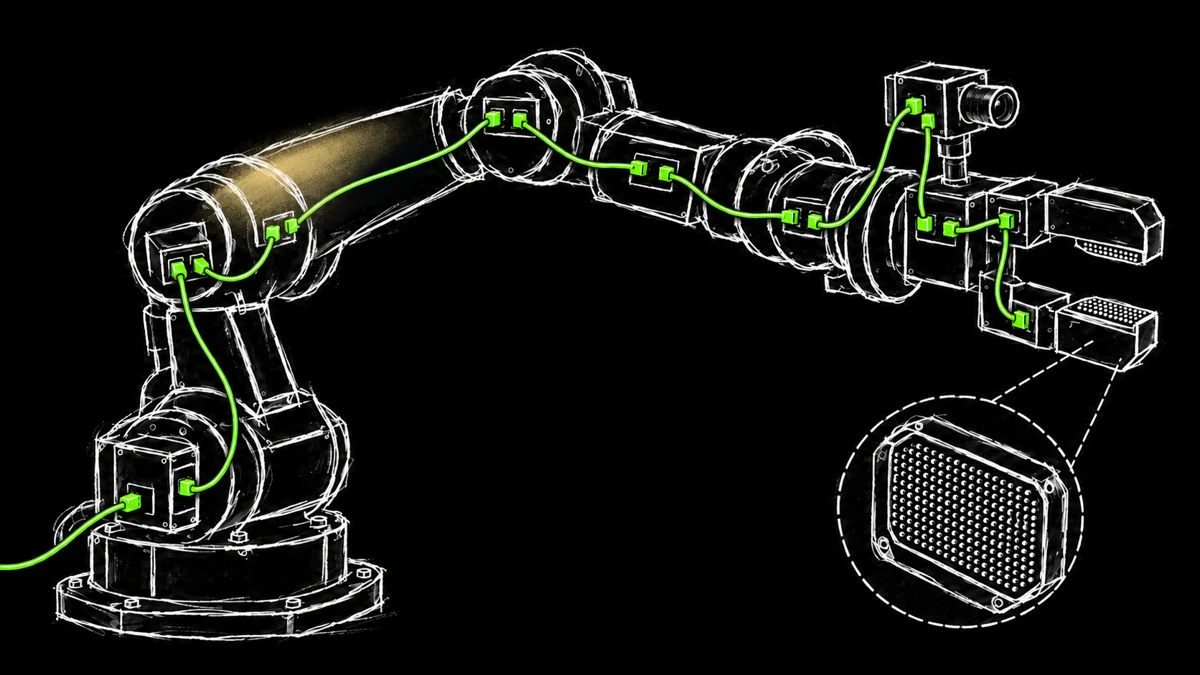
From intelligence
to precise action
When the algorithm runs in microseconds, runtime overhead matters. Holoscan streamlines CPU execution so control and perception can live in the same application model.
Explore the runtimeSee the plan.
Understand the execution.
A runtime that stays out of your algorithm’s way—and makes its own behavior visible. Inspect how your graph will execute before launch. Use Nsight to see what happens on hardware.
Compose
Connect operators into a graph that expresses your application.
Compile
Inspect the execution plan, including how the graph will run.
Observe
Profile real execution and refine the complete sensor-to-action path.
Your compute
The same Holoscan
From an embedded machine to your development desk and into the server room. Build perception and control with Holoscan on the platform your system needs.
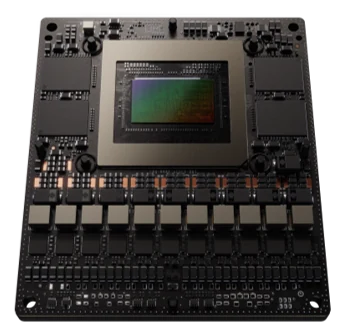
Jetson
Embedded compute for robots, sensor systems, and intelligent instruments.
Explore platforms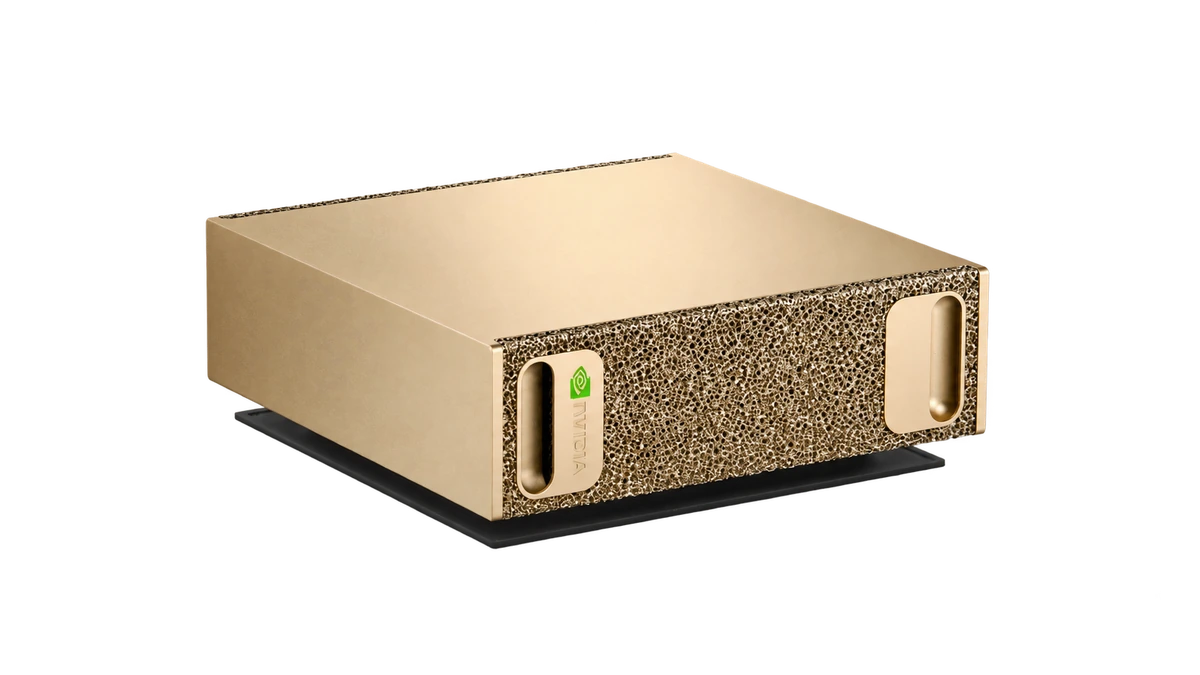
DGX Spark
Grace Blackwell compute for desktop development and prototyping.
Explore platforms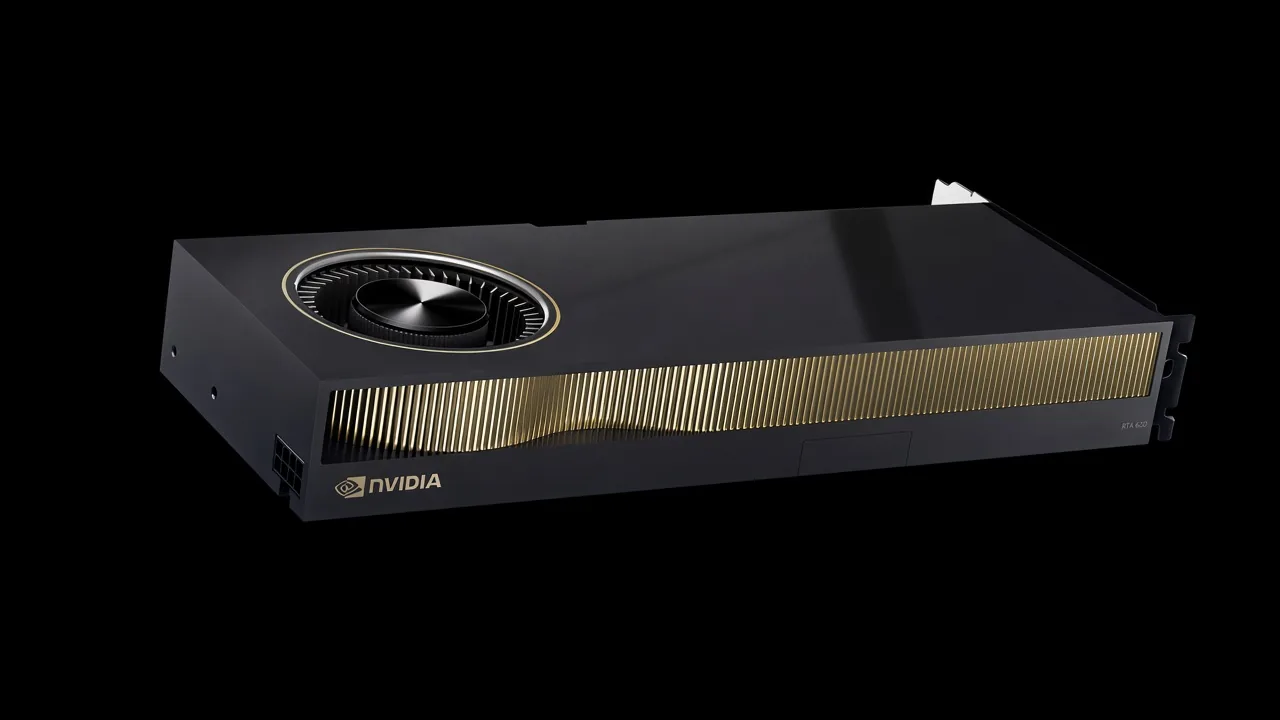
x86
NVIDIA GPU workstations and servers for custom systems and larger workloads.
Explore platformsDifferent streams.
The same platform.
Robots, instruments, and market data. Holoscan is the accelerated path for streaming data that has to be processed as it arrives.
Robotics
Bring perception, sensor fusion, and control together in robots that interact with a changing world.
Raw to Insights
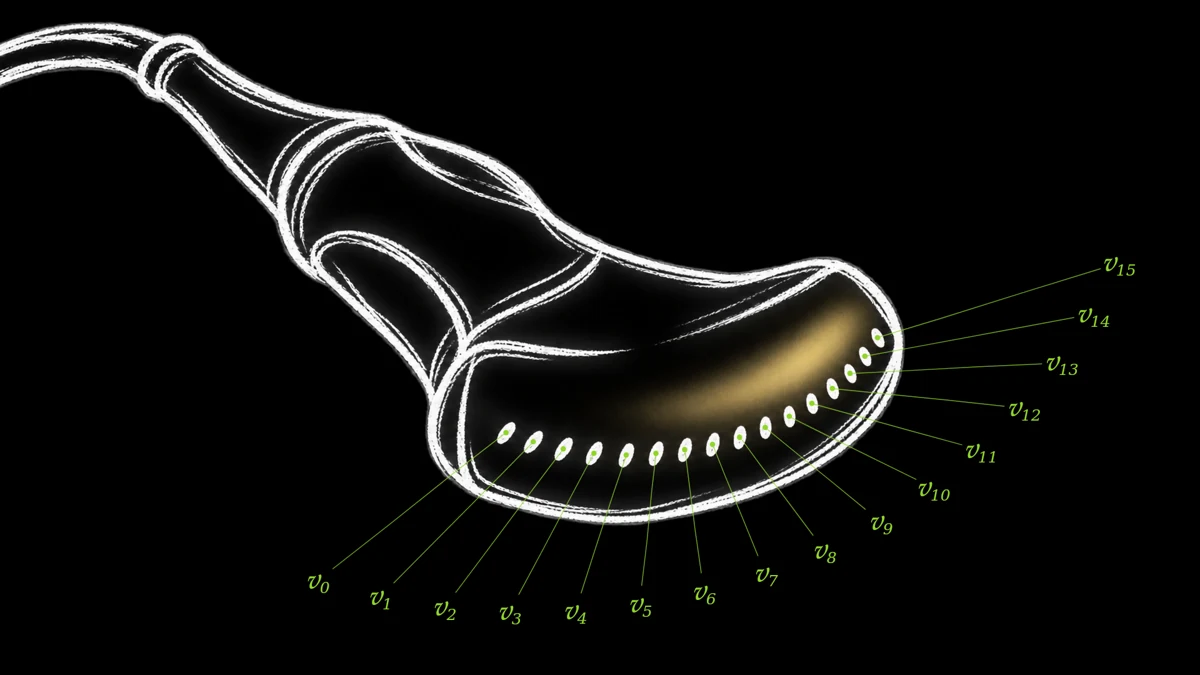
Stream raw ultrasound into GPU memory and send transmit updates back to the probe.
Explore the reference design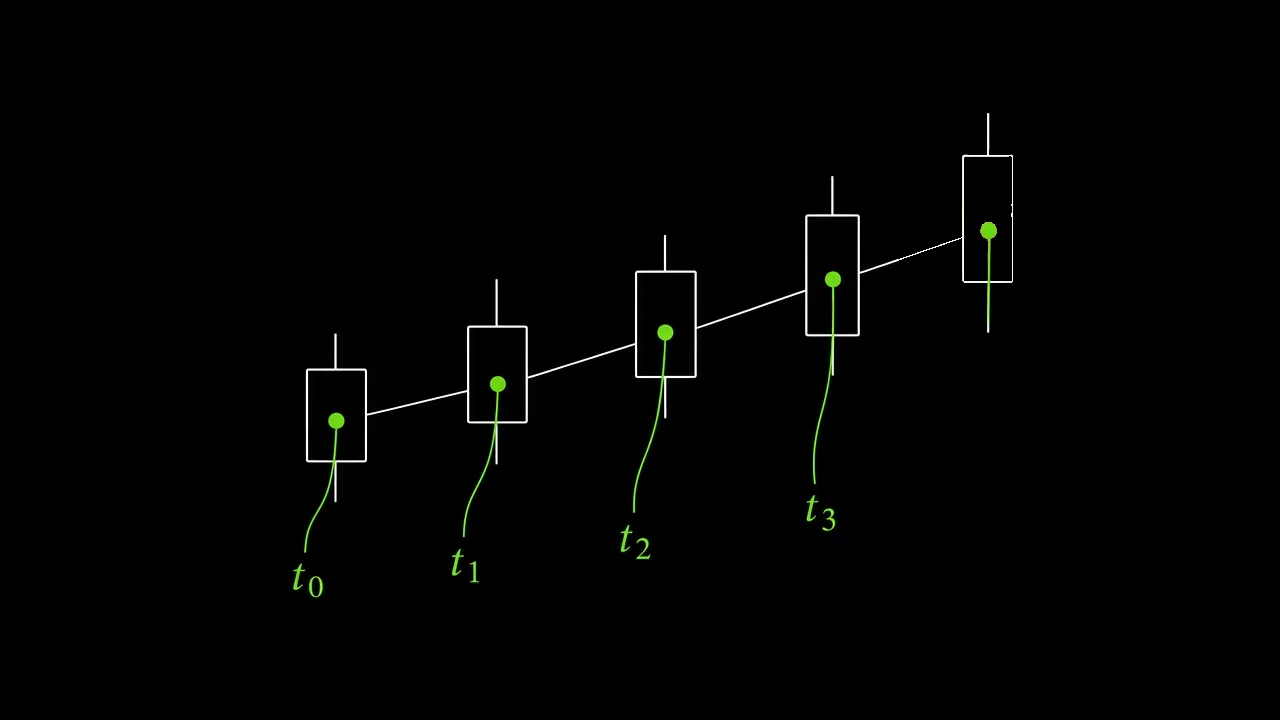
Financial Services
Process high-rate market data streams on the GPU and act on every update with low, predictable latency.
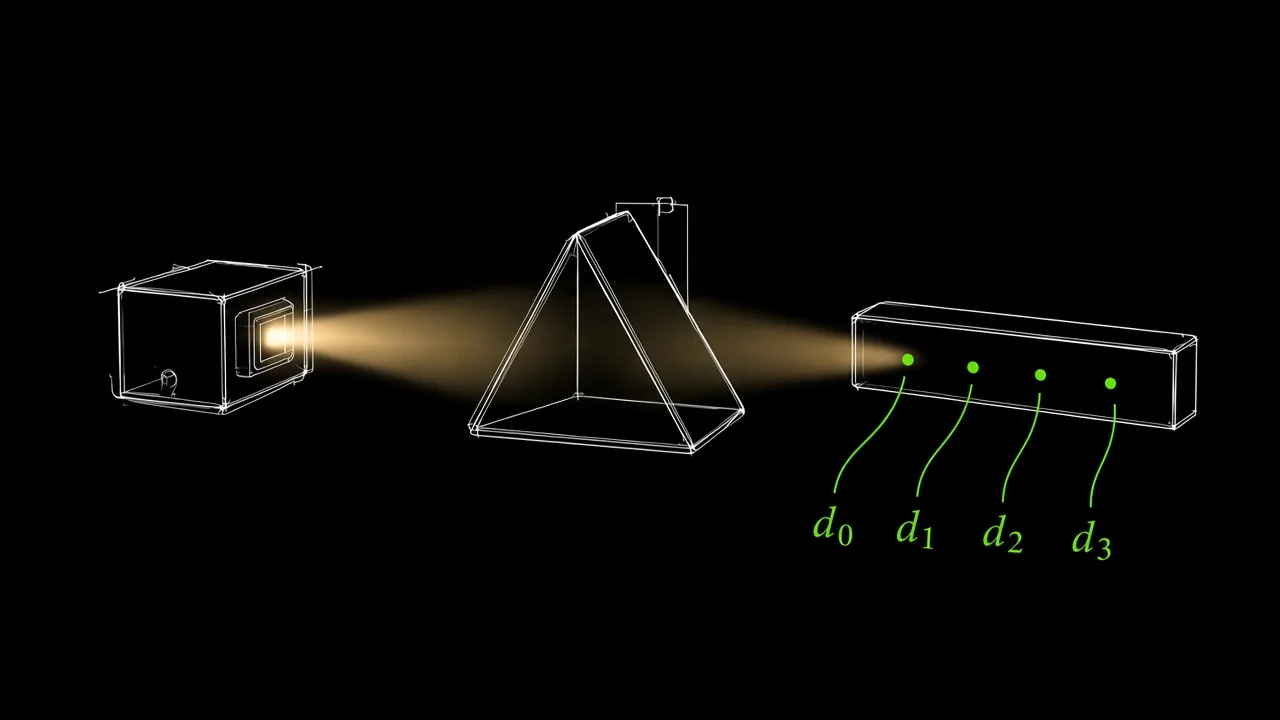
Real-time instruments
Stream detector, spectrometer, and test-equipment data straight to the GPU, then process and visualize it as it arrives.
BUILT FOR AGENTS
Your agent knows
Holoscan too.
The Holoscan Platform is made for agentic development. NVIDIA-verified Agent Skills teach Claude Code, Codex, Cursor, and other coding agents to install the SDK, build and debug HoloHub applications, package modules, and bring up Sensor Bridge hardware.
Set up
Inspect the host, pick the right install method, and get Holoscan SDK running.
Build
Scaffold, run, debug, and package HoloHub applications and Holoscan Modules.
Bring up
Flash a Sensor Bridge board, run its examples, and configure the FPGA IP.
Your intelligence.
Our runtime.
Extraordinary machines.
Build on Apache 2.0 licensed open source: Holoscan SDK, Sensor Bridge, modules, and reference designs. Inspect the source, modify the pipeline, and extend it with your own algorithms and models.
Start from a working demonstration, then make it your own. The permissive license lets you build on that foundation for research, prototypes, and commercial products.